
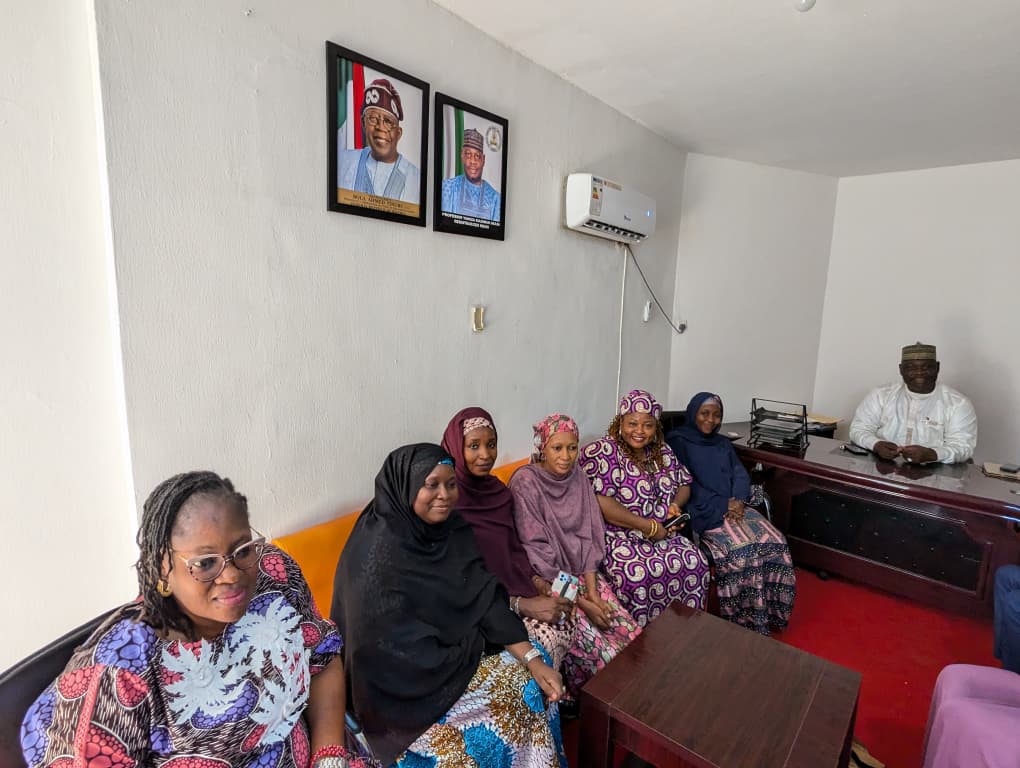
Women constitute roughly half of Nigeria’s population, yet their representation in governance and decision-making remains far below parity. Recognising this gap, both federal and state governments have introduced policies and programmes aimed at increasing women’s participation in public life.
The National Gender Policy
Nigeria’s National Gender Policy sets a target of 35% representation for women in all appointed and elected positions. While the target has not yet been fully achieved, it has driven tangible progress — more women have been appointed to ministerial, ambassadorial, and judicial positions in recent years than at any previous point in Nigeria’s history.
Affirmative Action at State Level
Several state governments have adopted their own gender policies, reserving positions in appointed boards, commissions, and local government councils for women. States including Lagos, Ekiti, and Anambra have led the way in mainstreaming gender into governance structures.
ENPUAI’s Role
ENPUAI’s Women, Peace and Security programme has trained over 200 women as Community Peace Facilitators across Delta and Rivers States. These women are not only peacebuilders — they are community leaders who model the kind of inclusive governance Nigeria needs. When women lead peace processes, settlements last longer and communities recover faster.
ENPUAI believes that sustainable peace requires the full participation of women at every level. We encourage communities to support women’s leadership and to advocate for gender-responsive policies in their states.